
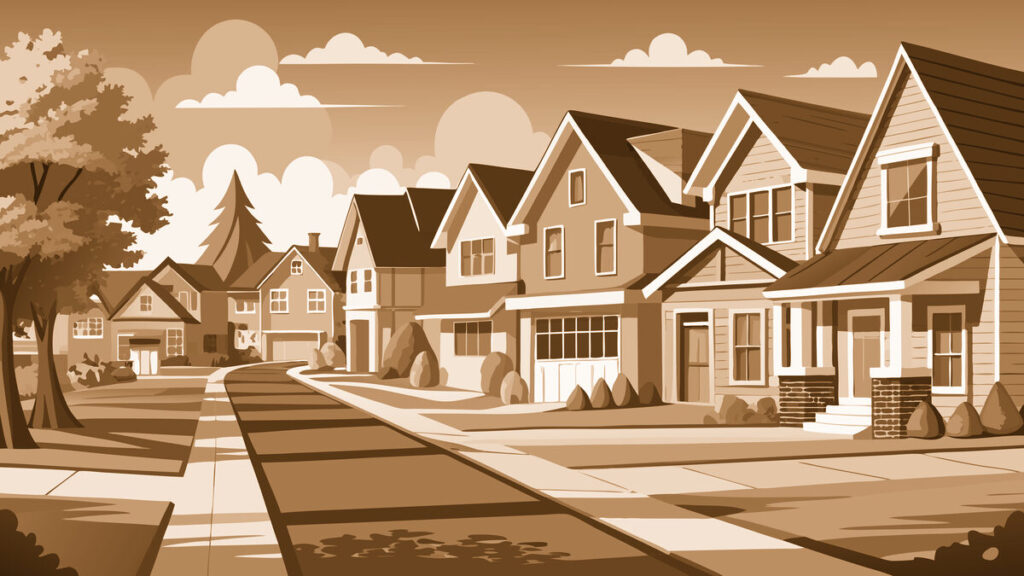
Nestled in the vibrant city of McAllen, Texas, Fairway Grande is more than just a name on a map. It’s a neighborhood rich with stories, layered history, and a sense of community that has stood the test of time. For long-time residents and newcomers alike, Fairway Grande offers a unique blend of past and present—a symbol of McAllen’s growth, diversity, and enduring charm.
The Origins: From Farmland to Flourishing Community
If you take a stroll along Fairway Avenue today, it’s almost hard to imagine that this beloved neighborhood was once open farmland dotted with citrus groves and vegetable patches. In the early 1960s, as McAllen began to expand northward, developers saw promise in these green fields. Inspired by the vision of creating a welcoming, family-friendly neighborhood, Fairway Grande was officially platted in 1967.
How Fairway Grande Got Its Name
Anyone who’s visited McAllen knows it’s a city that loves golf—and that love is woven into Fairway Grande’s DNA. The neighborhood’s name pays homage to its proximity to the prestigious McAllen Country Club, with “Fairway” evoking those sweeping, emerald golf courses and “Grande” signaling a neighborhood destined to make a big impact. Local lore says the founders wanted a name that conveyed both elegance and hospitality, and Fairway Grande strikes that perfect balance.
Key Historical Milestones
- 1967: Fairway Grande’s first model homes open along Marigold Avenue, attracting young families and retirees alike.
- 1971: The neighborhood’s first park, Oakbrook Park, is dedicated, soon becoming a beloved gathering place for block parties and summer picnics.
- 1980s: Fairway Grande Elementary School opens its doors on Lark Avenue, helping to drive even more families to the area.
- 1999: The Fairway Grande Neighborhood Association is formed, fostering community spirit and coordinating everything from holiday parades to tree-planting initiatives.
- 2010s: As nearby shopping and medical facilities expand along Nolana Avenue and 2nd Street, Fairway Grande becomes even more popular for its accessibility and charm.
Landmarks and Notable Buildings
Fairway Grande may not have towering skyscrapers, but its charm lies in its details—those hidden gems that residents cherish:
- Fairway Grande Clock Tower: Erected in the late 1970s at the corner of Fairway Avenue and Lotus Lane, its chimes have marked countless sunsets and neighborhood celebrations.
- Fairway Grande Elementary School: Known for its charming red-brick façade and mosaic mural depicting local wildlife, this school is a point of pride for the community.
- Oakbrook Park and Gardens: Lush oak trees and winding trails make this pocket-park a favorite for walkers, birdwatchers, and those seeking a quiet moment.
- Historic Spanish-Revival Homes: Along Camellia Drive and Marigold Avenue, several mid-century homes showcase classic stucco walls, arched doorways, and vibrant tilework—a nod to McAllen’s cultural heritage.
- The Fairway Grande Community Center: Housed in a restored 1970s ranch-style building, it’s the go-to place for everything from art exhibits to yoga classes.
Evolution Through the Decades
The Early Years
In the 1970s, Fairway Grande stood as a model of suburban optimism. Original residents still remember ice cream socials on the curb, kids cycling to nearby parks, and families gathering at the country club for weekend brunch.
Growth and Modernization
The 1980s and 90s brought gradual change. Families grew, and so did the neighborhood—new homes, updated sidewalks, and the establishment of Fairway Grande Elementary marked a period of renewal. More diverse families moved in, enriching the neighborhood’s cultural tapestry.
Today’s Fairway Grande
Now, Fairway Grande is a vibrant blend of old and new. On any given morning, you’ll see longtime neighbors chatting by well-tended lawns, local artists painting en plein air in Oakbrook Park, and young families enjoying shaded playgrounds. The community association remains active, organizing everything from seasonal festivals to pet parades.
What truly makes Fairway Grande special, though, is its enduring sense of belonging. Whether you grew up here in the 1970s or just moved in last year, you’ll find a friendly wave, an open invitation, and a place where memories are made.
Streets, Parks, and Institutions That Define Fairway Grande
- Fairway Avenue: The neighborhood’s main corridor, lined with mature elms and lovingly restored homes.
- Lark Avenue: A hub of activity with its school and proximity to shopping.
- Camellia Drive & Marigold Avenue: Noted for their picturesque homes and welcoming front porches.
- Oakbrook Park: The green heart of Fairway Grande.
- Nearby Nolana Avenue: Offers easy access to restaurants, shops, and community events.
Why Fairway Grande Endures
Fairway Grande’s story is ultimately one of roots and wings—a place people come to put down roots, but also a neighborhood that adapts and welcomes newcomers with open arms. Its parks and schools nurture generations, while its streets and community spaces invite laughter, learning, and creativity.
Ask anyone here and they’ll tell you: what makes Fairway Grande truly special isn’t just its history or its beautiful homes. It’s the warmth of its people, the shared traditions, and the way every sunset at the Fairway Grande Clock Tower feels a bit like coming home.